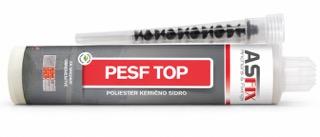
Chemical fixing

Two-component polyester resin for medium loads. 300 ml cartridge.
| Code | EAN | Dimension | Packaging | Price | |
|---|---|---|---|---|---|
 | PESF300 | 3831110231292 | 300 ml | box1 pcs | … |
| PESF410 | 3831110231308 | 410 ml | box1 pcs | … |
300 ml…410 ml…Prices and stock are visible to logged-in B2B customers, for one pack (the number of pieces is in the "Pack" column). For larger quantities send an inquiry.
Chemical anchors EASF and PESF – installation
PESF TOP is a two-component polyester-based compound designed for medium loads and the most common anchoring applications in construction. It can be used in dry, wet and damp environments, and it can also be used to repair a drilled hole that has widened or crumbled.
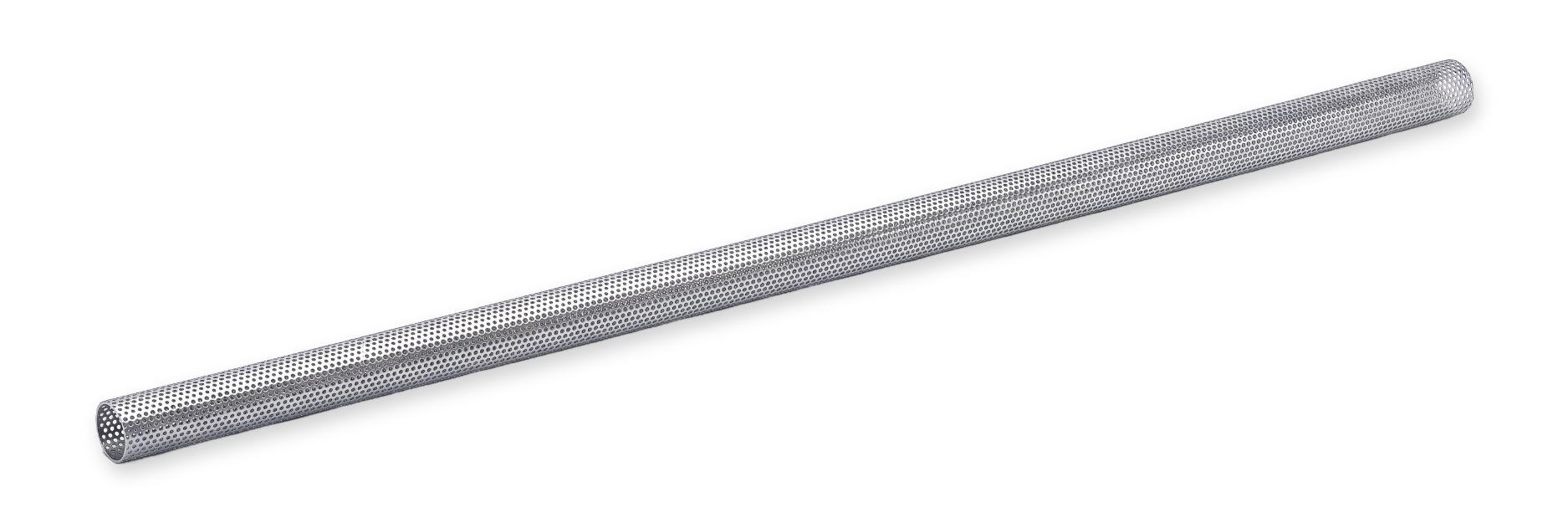
Metal perforated insert, 1 m long, which you cut to the required length, for chemical anchoring in hollow brick.
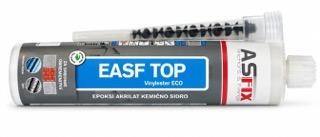
Two-component epoxy acrylate resin for high loads. 300 ml cartridge.
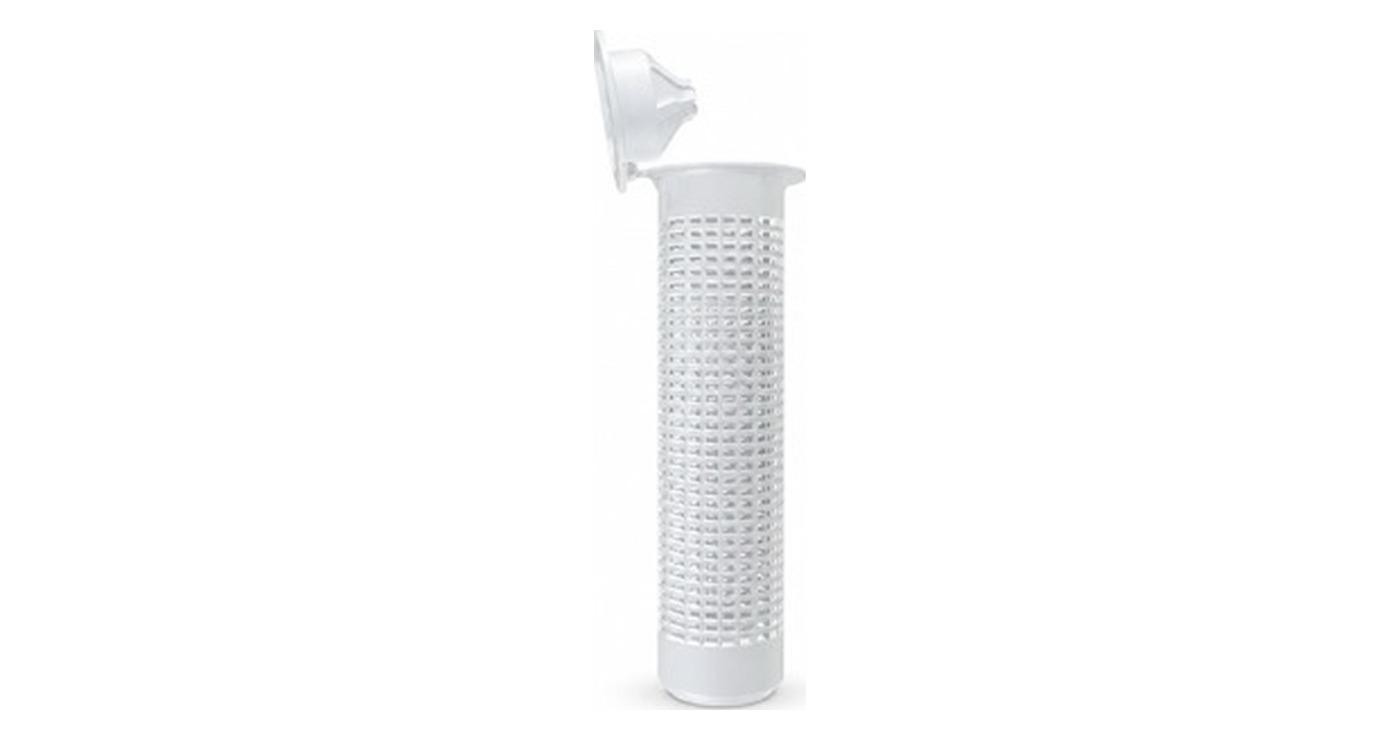
Plastic sieve sleeve that enables chemical anchoring in hollow brick and porous masonry units.
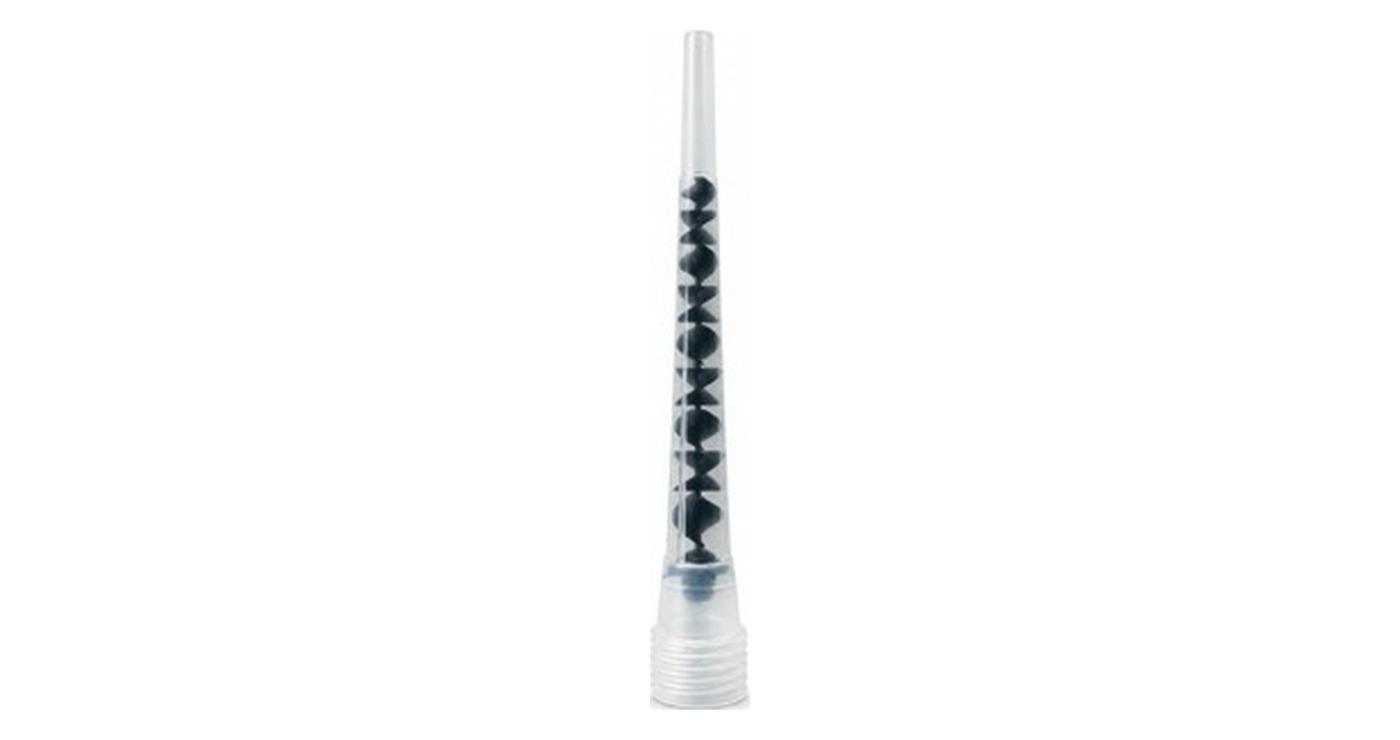
Static mixer that mixes both components during extrusion. Replacement part for cartridges.
Combined with a perforated sleeve, it is the standard solution for hollow brick and porous masonry units, where an ordinary plug has nothing to grip. The compound passes through the perforation into the cavities of the brick and locks in place there, so load capacity does not depend on friction but on the shape the compound forms in the wall.
Compared with epoxy acrylate, polyester is more cost-effective and is sufficient for most common fixings.
Technical data and installation
Two-component polyester-based compound. 300 ml cartridge, applied with a cartridge gun. Documentation: certificate and declaration of performance DoP PESF TOP, available for download.
In hollow substrates, a perforated sleeve must be used. Installation: drill the hole, clean it and blow it out, dispense the first part of the compound to waste until it is an even colour, fill the hole or sleeve from the bottom up, insert the rod with a twisting motion and leave to cure. Working time and curing time depend on the temperature of the substrate.
Drill and clean the holes, fill them with the mass, insert the threaded rods, then fit the bracket and tighten the nuts. If something is out of order, the exercise tells you why it won't work.
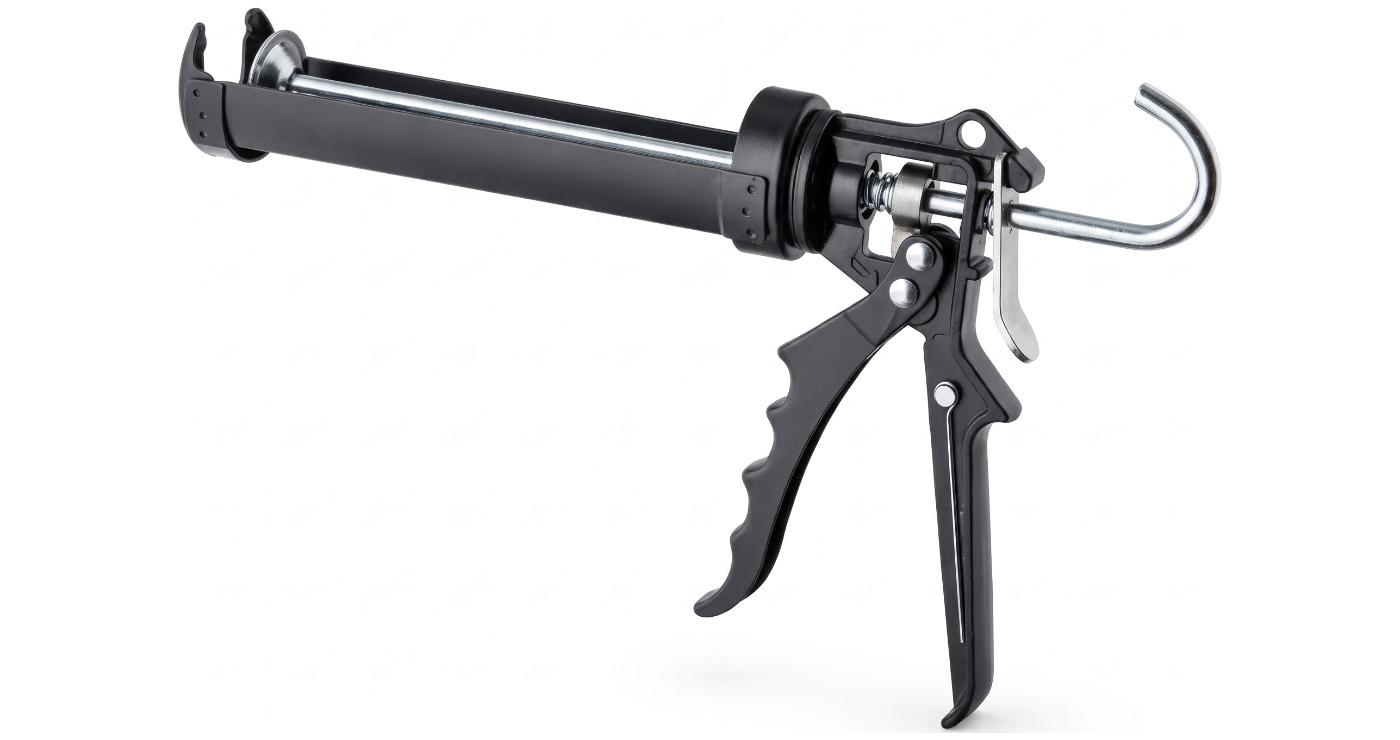
Manual gun for 300 ml cartridges, chemical anchors, adhesives and silicones.