Fasteners for drywall

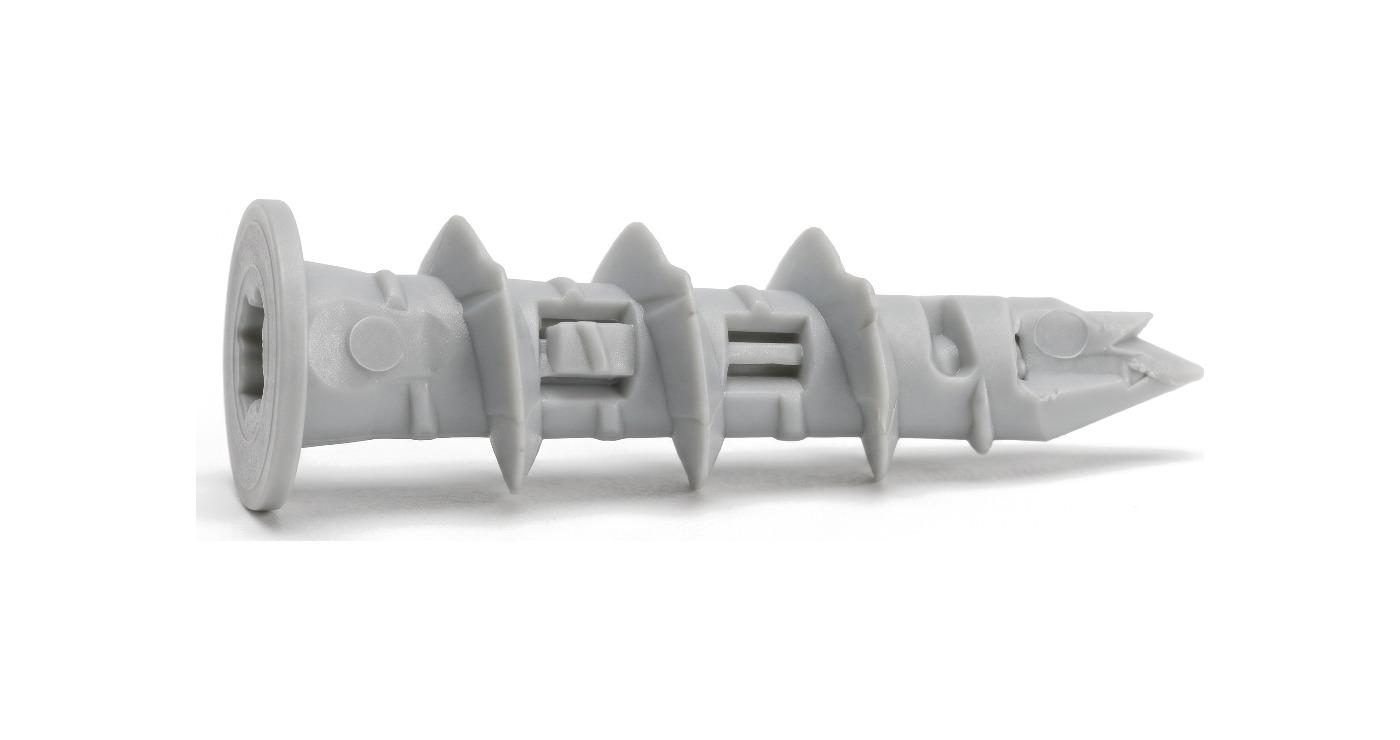
Self-tapping nylon plug for lighter fixings in plasterboard.
| Code | EAN | Dimension | Izvedba | Packaging | Price | |
|---|---|---|---|---|---|---|
 | AF0209 | 3831010302092 | Ø 13 | VG.N | box | … |
| AF0211 | 3831010302115 | 13 x 32 | VG.P | box | … |
| AF0213 | 3831010302139 | 14 x 29 | VG.Z | box | … |
Ø 13…13 x 32…14 x 29…Prices and stock are visible to logged-in B2B customers, for one pack (the number of pieces is in the "Pack" column). For larger quantities send an inquiry.
Plastic plasterboard plug – installation
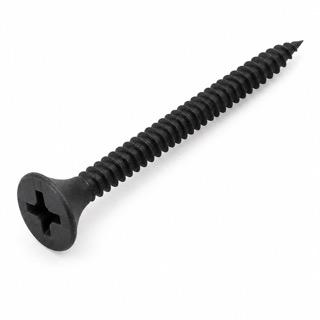
Black phosphated screw with fine thread for fastening plasterboard to a metal substructure.
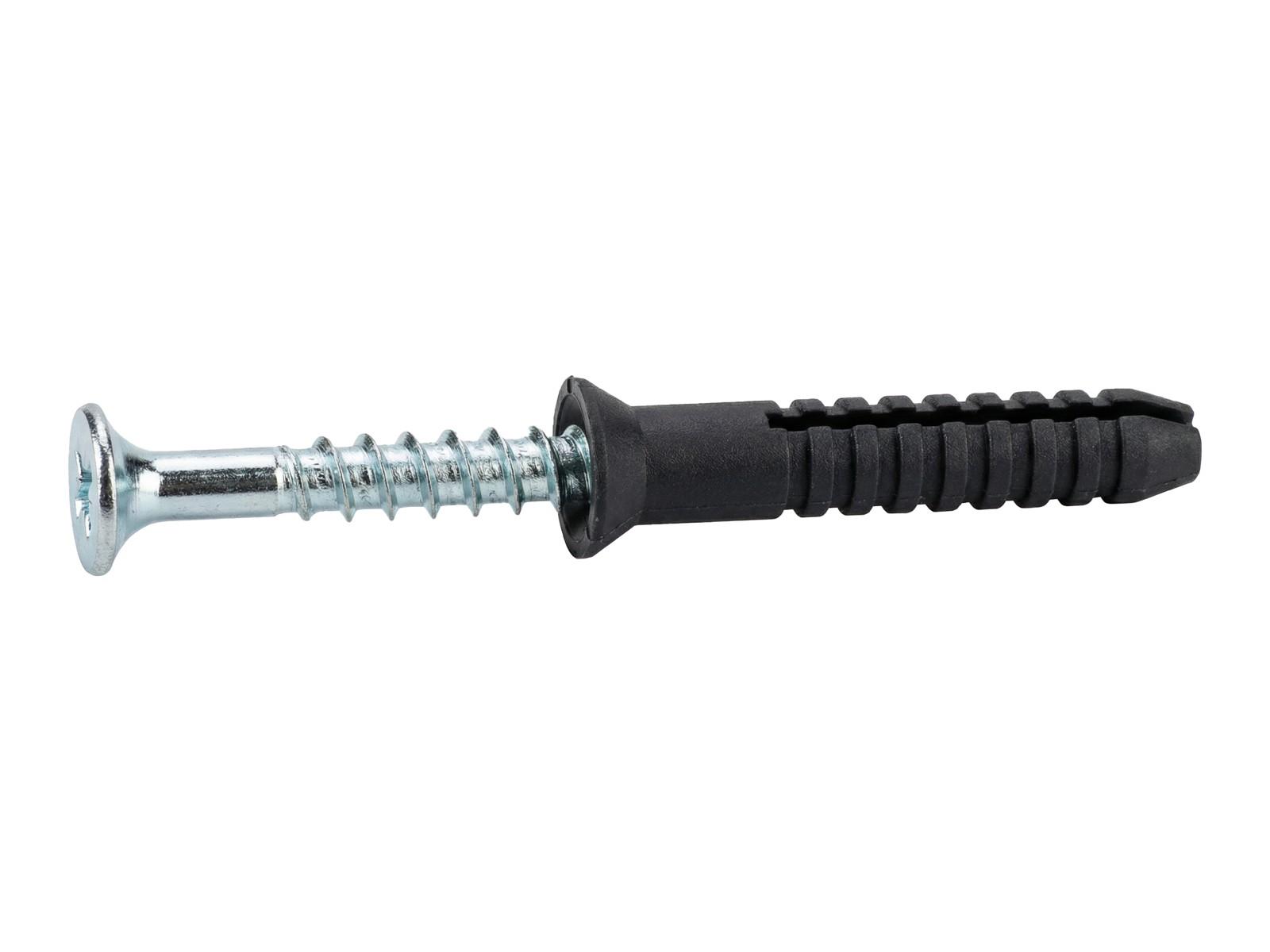
Plug and screw in one piece, insert into the drilled hole and drive in with a hammer. From our production.
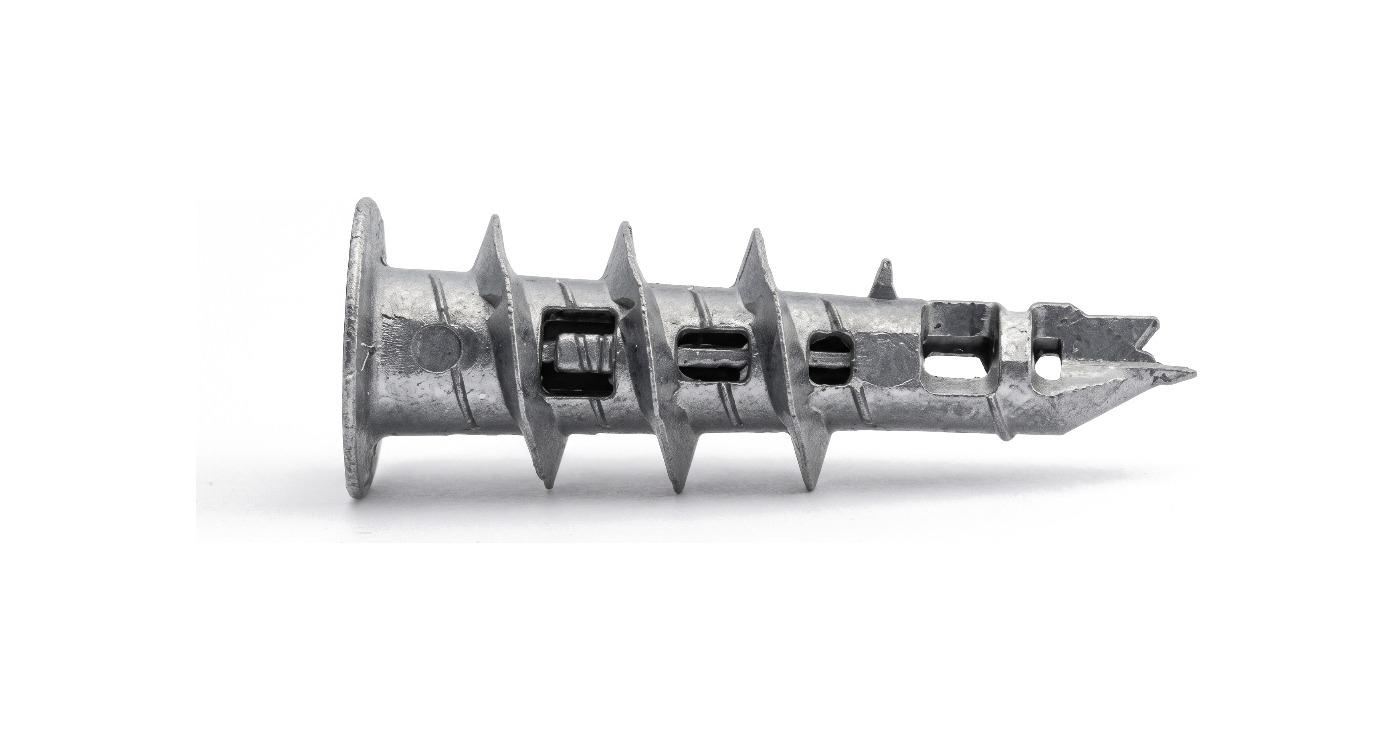
Self-tapping metal plug that is screwed directly into plasterboard. No pre-drilling.
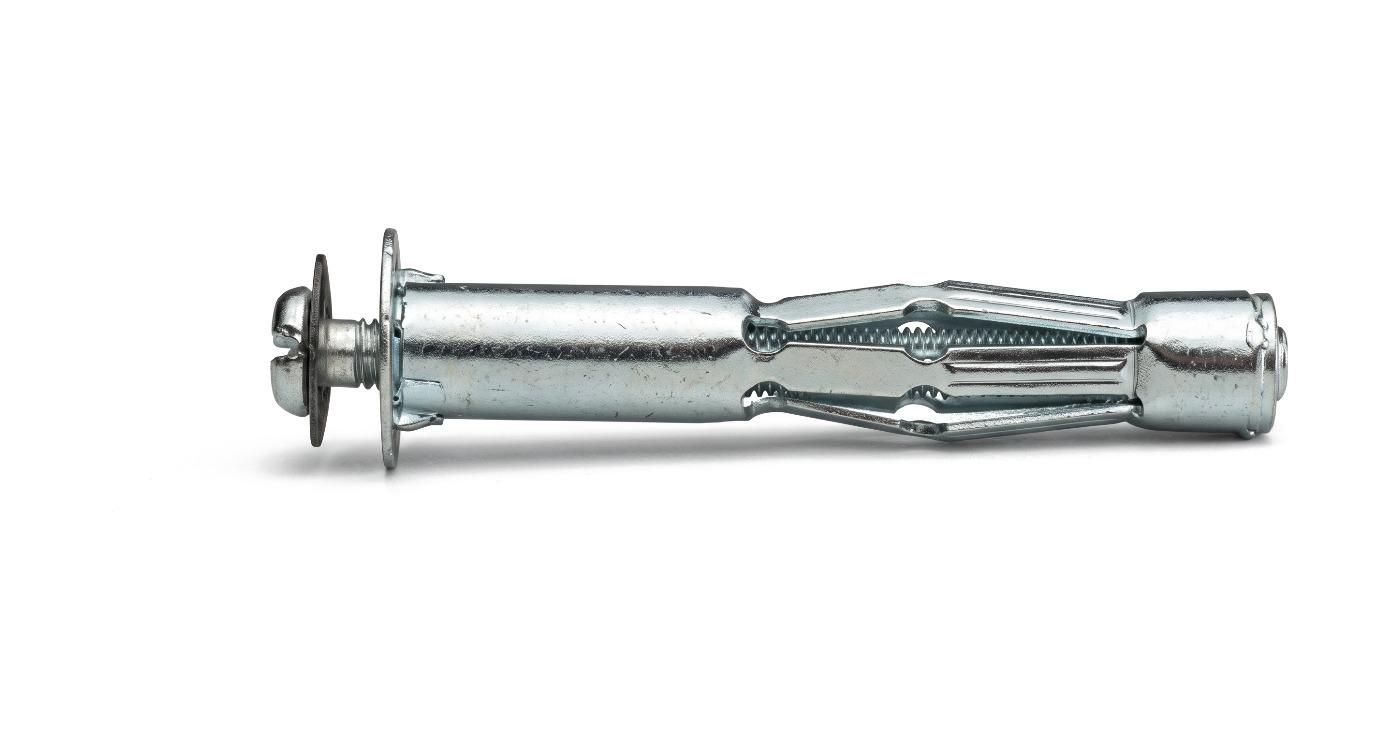
Metal plug that expands behind the board and spreads the load over a larger area.
The plastic plug performs just like a metal one, cuts its own way into the plasterboard and needs no pre-drilling. Because it is made of nylon, it does not rust and is more cost-effective, which makes it suitable for lighter fixings, the most common kind in any room.
It is screwed in with a Phillips screwdriver until the flange rests against the board. The screw is then driven into it.
Technical data and installation
Material: nylon. For plasterboard with a thickness of 9.5 to 15 mm. For heavier loads, use a metal plug or a cavity plug with a screw.
No drilling: screw the plugs straight into the board, place the bracket against it and screw it in. If something is out of order, the exercise tells you why it won't work.
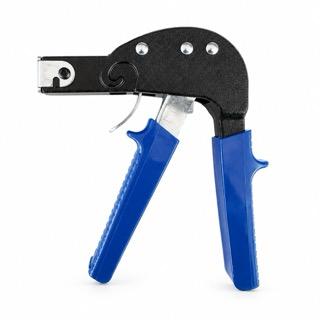
Tool for installing expanding plugs in plasterboard.